
Illegal Tobacco Prosecutions in Queensland: Penalties, Offences, and What to Do
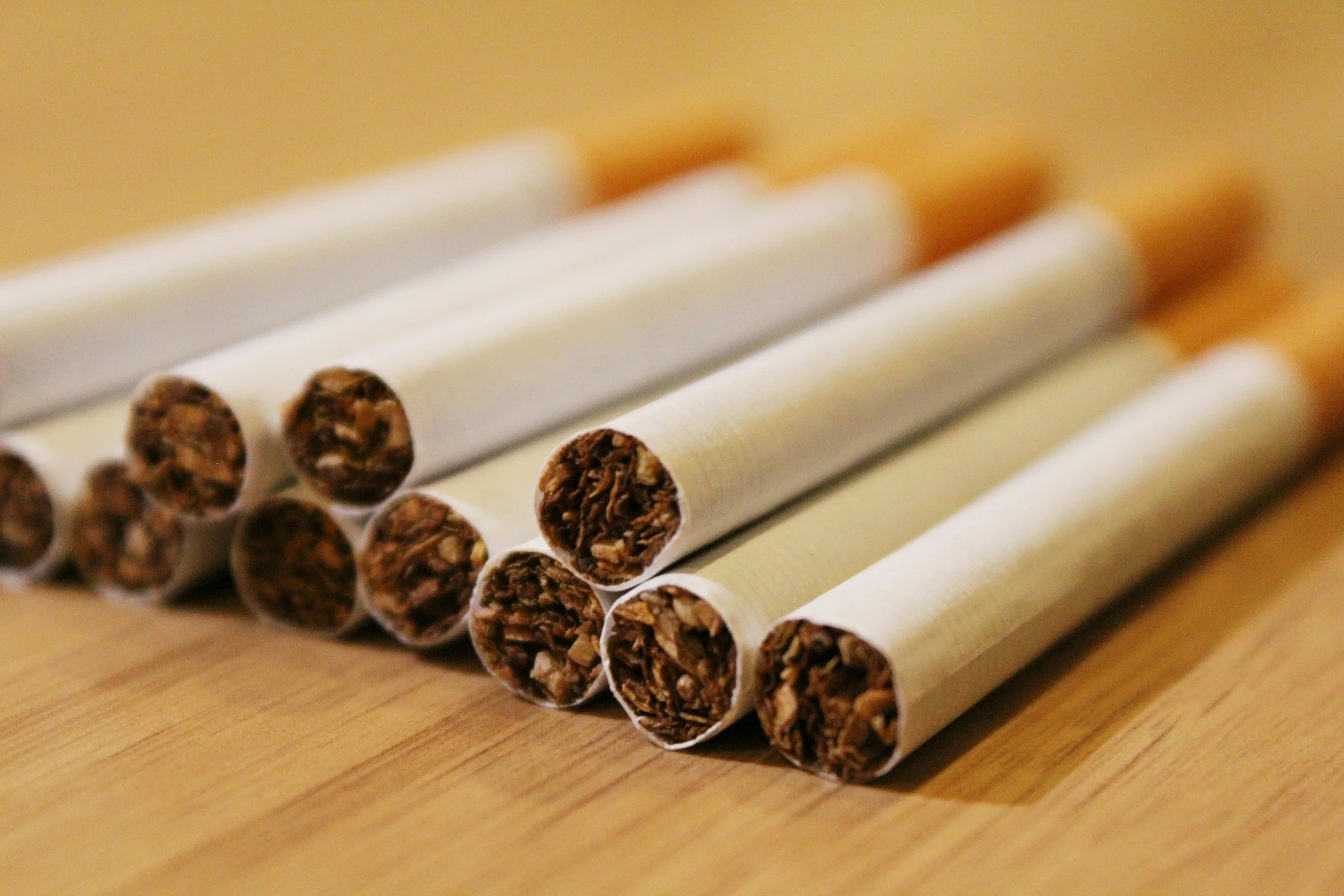
There has been much reporting in recent media about “crackdowns” and “raids” on businesses throughout South-East Queensland who are alleged to have engaged in the sale of Illegal Tobacco Products and/or Illegal Nicotine Products.
These “raids” have been carried out by Queensland Health in conjunction with the Queensland Police, and were preceded by legislative changes which saw substantial increases to the penalties for individuals and businesses engaged in those sales. For many of those businesses, they are now facing potential (or actual) prosecution by the authorities for breaches of the legislation.
In this article we will provide some information about the relevant legislation, as well as the penalties for illegally selling tobacco and nicotine products in Queensland.
Before proceeding - if you need a Queensland or Brisbane Lawyer for an illegal tobacco or illegal nicotine prosecution, Reinke Lawyers have the experience that you need. Call us today for immediate, experienced, legal advice.
Frequently Asked Questions
Illegal Tobacco Prosecutions in South-East Queensland are based some technical pieces of legislation. Some frequently asked questions include:
What is Illegal Tobacco, and what are Illegal Nicotine Products?
Illegal Tobacco refers to any smoking products that doesn’t comply with the requirements of the Act, such as a health warning requirement.
Illegal Nicotine refers to a vaping good, or another products containing nicotine, but which is detrimental to a person’s health.
Can I go to jail for selling illegal tobacco, or illegal nicotine?
Yes.
The “enforcement action” portions of the legislation include maximum penalties which include periods of imprisonment of up to 2 years .
What should I do if I have been raided, or receive a show cause notice from Queensland Health regarding illegal tobacco or illegal nicotine?
If any of the above have happened it is crucial that you seek immediate and experienced legal advice.
You can get both of those things by calling Reinke Lawyers or using our contact form on our website.
The Legislative Scheme
In Queensland the sale and supply of tobacco and nicotine products is regulated by both the Tobacco and Other Smoking Products Act 1998 (the Act), and the Tobacco and Other Smoking Products Regulation(the Regulation).
Together, this legislation governs the environment in which businesses are able to advertise, supply, and sell those products throughout the State. The aim of the legislation being to reduce the public’s exposure to tobacco and illicit nicotine products.
The Act sets out to do this by:
1. Restricting the supply of tobacco and other smoking products;
2. Restricting the supply and possession of illicit tobacco and illicit nicotine products;
3. Establishing a framework for monitoring, investigative, and enforcement activities.
It worth noting that the Act and Regulation also deal with Tobacco Licensing in Queensland. This includes both Retail Licenses and Wholesale Licenses.
Obligations under the Legislation
The Act imposes several obligations on suppliers of tobacco products in an effort to achieve its objectives.
For example, s. 63 of the Act requires suppliers to engage in preventative measures such as instructing employees not to supply smoking products to children, and to sight proof of age before supplying any smoking products.
The Act also incorporates several offences as part of its “enforcement activities”, including making it an offence to supply smoking products without a licence - punishable by a maximum penalty of around $166,000 for an individual, or over $800,000 for a corporation.
Key Offences
Whilst the Act contains a number of offences, the key offences for the purposes of this article are those contained in sections 161 and 161A of the Act. Those relate to the “Supply or Possession of Illicit Tobacco as part of Business Activities” and the “Supply or Possession of Illicit Nicotine Products as part of Business Activities”. These offences are key focuses under the Act, and enforcement of these offences can result in extremely harsh penalties – see below:
Section 161 - Supply or Possession of Illicit Tobacco as part of Business Activities
The offence provision in s. 161 makes it unlawful for a person or corporation to supply illicit tobacco as part of its business activities. However, it also makes it unlawful for a person or corporation to be in possession of that tobacco at the business premises, or any premises associated with the business.
The maximum penalties for supply are:
· For an individual: $333,800 or 2 years imprisonment, or both.
· For a corporation: $1,669,000.
The maximum penalties for possession are:
· For an individual: $166,900 or 1 years imprisonment, or both.
· For a corporation: $834,500.
Section 161A - Supply or Possession of Illicit Nicotine Products as part of Business Activities
The offence provision in s. 161A largely mirrors s. 161, however applies to illicit nicotine products – that is, vapes, vaping goods, or another nicotine products prescribed by the Regulation. The penalties under s.161A mirror s.161 being:
The maximum penalties for supply are:
· For an individual: $333,800 or 2 years imprisonment, or both.
· For a corporation: $1,669,000.
The maximum penalties for possession are:
· For an individual: $166,900 or 1 years imprisonment, or both.
· For a corporation: $834,500.
The penalties under sections 161 and 161A are some of the most substantial penalties prescribed by the Act, defeated only by a single civil penalty provision.
“Executive Liability”
You might be forgiven for thinking that liability for such offences ends with the corporation, however in drafting the legislation, the Government determined that executives should also be liable. It is for this reason that a number of offences in the Act, including those above, have been designated as “executive liability offences”.
What this means in practical terms is that when a corporation commits an offence of that kind each of the executive officers is taken to have also committed an offence against the provision. The operation of this provision was clearly meant to act as a deterrent for those engaging in the sale and supply of illicit tobacco and nicotine, however the consequence is that for a single offence under s.161 – an individual (where they are liable both as an executive and via their corporate entity) could be faced with maximum penalties totalling almost $2,000,000.
Where to Next?
In most cases, allegations of breaching the Act are initiated by a “show cause notice” from
Queensland Health. This is a formal piece of correspondence which invites a corporation (and/or its executive officer) to provide a response to alleged breaches of the Act. Fortunately, in such instances it can be possible to avoid Court and resolve the matter by way of an “on the spot fine”. This is usually of a much lesser amount than imposed by a Court.
What is of vital importance is that you engage an experienced legal practitioner if you are investigated or if you receive any communications in relation to an alleged contravention of the Act. In almost all cases, having the benefit of a knowledgeable lawyer will ensure that you achieve the best possible outcome for your circumstances.
Contact the Experts
At Reinke Lawyers, regulatory investigations and prosecutions – like those under the Tobacco Act – form the foundation of our legal practice. We are experienced in acting for both individuals and companies that are being investigated or being prosecuted by a Regulator, and focused on obtaining the best possible outcome for your unique circumstances.
To get in touch with us please use the links below to either submit a contact form on our website, or call one of our lawyers.